

Microneedling: Key Benefits, Risks, and Aftercare Tips for Your Skin
Last updated on April 22, 2026
Rejuvenate Your Skin: The Ultimate Guide to Microneedling Benefits and Results
Curious about microneedling? This minimally invasive procedure uses tiny needles to boost collagen production, enhancing skin texture and reducing scars and wrinkles. In this guide, learn exactly how microneedling works, its benefits, and what to expect during and after the treatment.
Key Takeaways
- Microneedling promotes skin rejuvenation by creating micro-injuries that stimulate collagen and elastin production, enhancing skin texture, tone, and elasticity.
- The procedure effectively addresses various skin concerns, including fine lines, acne scars, and stretch marks, with recommended treatment typically requiring multiple sessions for optimal results.
- Proper post-treatment care is crucial for maximising microneedling benefits, involving gentle cleansing, sun protection, and the avoidance of irritants during the recovery period.
What is Microneedling?
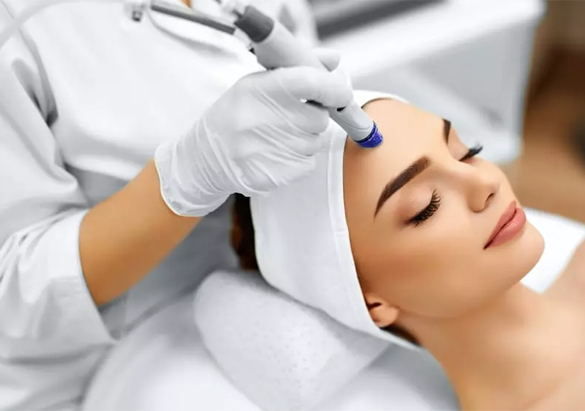
Micro needling is a minimally invasive technique that employs thin needles to create tiny punctures in the skin’s surface. This process, also known as skin needling treatments, involves creating tiny injuries that are invisible to the naked eye but crucial for stimulating the skin’s healing process. This stimulates the production of new collagen and elastin, which are vital for skin firmness and elasticity. Does skin needling treatment effectively enhance the skin’s appearance?
The primary goal of microneedling is skin rejuvenation. This treatment helps reduce wrinkles, improve skin texture, and address various skin concerns, from acne scars to stretch marks. Harnessing the body’s natural healing abilities, microneedling provides a powerful method to achieve smoother, more youthful skin without invasive procedures.
How Does Microneedling Work?
A handheld device equipped with fine, tiny needles creates small perforations in the skin during microneedling. This process is performed using an automated dermapen that penetrates the skin vertically, ensuring precision and consistency. These tiny perforations, or micro-channels, allow for better absorption of topical skincare products, enhancing their effectiveness.
The creation of micro-injuries triggers the skin’s natural healing process, leading to increased production of collagen and elastin. These proteins are essential for maintaining skin firmness and elasticity. The body’s healing response to microneedling improves skin texture and addresses concerns like acne scars, uneven tone, and loss of elasticity.
Benefits of Microneedling

Microneedling offers a myriad of benefits, making it a popular choice for those seeking skin rejuvenation. From reducing wrinkles and fine lines to improving skin texture and tone, the advantages are numerous. The treatment is particularly effective in addressing skin concerns like acne scars, stretch marks, and enlarged pores.
Let’s explore specific benefits, such as smoother skin texture, reduced acne scars and stretch marks, and enhanced skin tone and elasticity to create smoother firmer skin treatment results that include active ingredients for a healthy glow.
Smoother Skin Texture
One of the most notable benefits of microneedling is the improvement in skin texture. Reducing fine lines and wrinkles, microneedling smooths the skin’s surface. The treatment strengthens the skin around pores, making them appear smaller and more refined. This leads to an overall improvement in skin texture, giving it a more even and polished appearance, highlighting the skin needling benefits.
Additionally, microneedling helps regulate oil production, which can further enhance skin tone and texture. The process encourages the skin to heal and regenerate, resulting in a healthier, glowing complexion. With regular sessions, microneedling can significantly improve the appearance of various skin conditions, leaving you with smoother, more radiant skin.
Reduction of Acne Scars and Stretch Marks
Microneedling is particularly effective in reducing the appearance of acne scars and stretch marks. The procedure encourages collagen and elastin production, which are essential for maintaining skin firmness and elasticity. Promoting tissue regeneration, microneedling reduces the visibility of stretch marks and acne scarring, resulting in smoother, more even skin.
The enhanced collagen production not only improves the appearance of skin scars but also supports the skin’s healing process. This makes microneedling and collagen induction therapy powerful techniques for addressing various skin concerns related to scarring and stretch marks. With consistent treatments, you can achieve significant improvements in skin texture and overall appearance, as they help to produce collagen.
Enhanced Skin Tone and Elasticity
Microneedling significantly enhances skin tone and elasticity by stimulating the production of collagen and elastin. These proteins are crucial for maintaining skin firmness and reducing the appearance of fine lines and wrinkles. The treatment also helps address uneven skin tone and pigmentation, leading to a more even skin tone and a healthy, glowing complexion.
Stimulating collagen and elastin production, microneedling enhances skin elasticity and firmness, giving it a more youthful and vibrant appearance. This makes it an excellent option for those looking to enhance their skin’s overall texture and tone.
Regular sessions of microneedling offer long-lasting improvements, resulting in a more youthful and radiant appearance through cosmetic procedures and a cosmetic treatment.
What to Expect During a Microneedling Treatment

The microneedling procedure begins with cleansing the skin and preparing a personalised treatment plan based on your specific skin concerns. A numbing cream is then applied to the treatment area about 30 minutes before the procedure to minimise discomfort. Once your skin is numb, the actual microneedling treatment can begin, which can last from 15 minutes to several hours, depending on the area being treated.
During the treatment, you may experience slight pressure, prickling, warmth, and tingling sensations. Pain tolerance can greatly influence your overall experience, but any minimal discomfort is typically short-lived. Microneedling can be performed using a hand-held roller or an electric tool with tiny needles that penetrate the skin. The depth of needle penetration can vary, allowing customisation for different skin concerns and areas. Some may wonder if skin needling hurt, but the experience is generally manageable.
Commonly treated areas include the face, neck, and legs, where microneedling can effectively rejuvenate the skin. The procedure creates controlled micro-injuries that stimulate the skin’s healing process, leading to improved texture, tone, and overall appearance. With proper aftercare, you can maximise the benefits of your microneedling treatment and achieve long-lasting results.
Post-Treatment Care
Proper post-treatment care is essential to maximise the benefits of microneedling and ensure optimal healing. Following the procedure, your skin may feel tender and tight for several days. Protecting your skin from UV damage with sunscreen of SPF 30 or higher is essential.
Let’s detail the immediate aftercare, the first 24-48 hours post-treatment, and long-term care for optimal results.
Immediate Aftercare (First 3-4 Hours)
The first few hours after microneedling require soothing and protecting the skin. An ice pack can help manage any discomfort. Using a gentle, hydrating moisturiser can help soothe the skin. A calming serum also promotes healing.
Avoid direct sun exposure during this time to prevent further irritation. Using a broad-spectrum sunscreen with an SPF of 50 or more is advisable. Wearing a wide-brimmed hat offers extra protection.
Refrain from applying makeup for at least 24 hours post-treatment to allow your skin to heal properly. It is important to wear makeup only after this period.
First 24-48 Hours After Microneedling
During the first 24-48 hours after microneedling, gentle cleansing and moisturising should be prioritised to support your skin’s healing process. Use gentle cleansers to avoid skin irritation and ensure that your skin remains hydrated.
Avoid harsh irritants and strenuous activities during this period. Activities such as hot showers, saunas, intense exercise, direct sunlight, and swimming should be avoided to minimise the risk of skin irritation and promote effective healing. Allowing the skin to recover effectively after the treatment is crucial.
Long-Term Care (First 5-7 Days)
During the first 5-7 days post-microneedling, using a soothing balm to keep your skin hydrated and calm is recommended. Avoid using active serums during this period, as they can cause irritation to the treated skin. Mild peeling or flaking may occur as your skin heals, which is a normal part of the recovery process.
Proper skincare after microneedling is crucial for minimising irritation and achieving optimal results. Continue to use gentle, hydrating products and protect your skin from sun exposure. The right care ensures effective healing and the best possible results from your microneedling treatment.
Potential Risks and Side Effects
While microneedling is generally safe, it is important to be aware of potential risks and side effects. Common side effects include mild swelling, slight redness, and light flaking. You may also experience flushed skin and warmth immediately after the treatment. These effects are usually temporary and should subside within a few days as your skin heals.
Less common risks associated with microneedling include post inflammatory hyperpigmentation, allergic reactions, and infections. Dark or light spots on the skin can develop as a less common side effect. Ensuring the microneedling equipment is properly cleaned and used by a qualified professional minimises the risk of infection.
Mild skin peeling may occur during the week following treatment as the skin’s healing process progresses.
Who Should Consider Microneedling?
Microneedling is suitable for various skin types, including darker skin tones. Individuals with concerns such as fine lines, skin laxity, uneven texture, acne scars, and stretch marks may benefit significantly from this treatment. The procedure can address multiple skin concerns and enhance overall skin rejuvenation.
However, certain individuals should avoid microneedling. Those prone to keloid scarring or with active infections, severe inflammatory skin conditions, active acne, eczema, or rosacea should not undergo the treatment. Additionally, certain medications that increase photosensitivity or affect wound healing can impact candidacy for microneedling.
Comparing Microneedling to Other Treatments
Microneedling stands out from other treatments due to its unique approach of creating micro-injuries in the skin to stimulate collagen production. Unlike microdermabrasion, which simply resurfaces the skin, microneedling penetrates deeper to promote long-lasting improvements in skin texture. This makes it an effective option for addressing various skin concerns with minimal downtime.
Compared to laser therapy, microneedling is less invasive and safer for individuals with darker skin tones who are at higher risk for hyperpigmentation from laser treatments. Unlike chemical peels that only affect the outer skin layers, microneedling allows for more extensive treatment with reduced recovery time.
In-clinic microneedling provides better control and precision compared to at-home devices, minimising the risk of skin damage or infection.
How Many Microneedling Sessions Are Needed?
To achieve optimal results, an initial series of three microneedling treatments every 2 to 6 weeks is often recommended. For severe skin issues such as deep acne scars or thick stretch marks, a series of eight to twelve sessions may be necessary to treat acne scars for noticeable improvement. Significant results are typically not visible after a single session; it may take several weeks for the skin to begin to show improvement. If you’re wondering how many treatments are needed, it’s essential to consult with a professional about multiple treatments.
To maintain the effects of microneedling, it is advisable to schedule maintenance sessions every four to six months after completing the initial treatments. Regular sessions help ensure that the benefits of microneedling last longer and continue to improve your skin’s appearance over time. The results of microneedling typically last between three to six months after the last treatment.
Microneedling Results and Longevity
Microneedling is expected to improve skin texture and overall appearance, resulting in a rejuvenated and glowier complexion. The author experienced glowier skin after their final microneedling treatment, highlighting the efficacy of the procedure. Factors such as the number of sessions, aftercare, lifestyle choices, and an individual’s skin type and age can significantly influence how long the benefits last.
Following the recommended treatment schedule and maintaining proper skincare allows for long-lasting improvements in skin appearance. Microneedling offers a powerful way to achieve smoother, more youthful skin with results that can last for several months. Regular maintenance sessions can help prolong the benefits and ensure that your skin remains radiant and healthy.
Summary
Microneedling is a powerful and versatile skin treatment that offers numerous benefits for those seeking to rejuvenate their skin. By creating micro-injuries, microneedling stimulates collagen and elastin production, leading to improvements in skin texture, tone, and elasticity. Whether you’re dealing with fine lines, acne scars, or uneven pigmentation, microneedling can provide significant and lasting results.
In conclusion, microneedling is a minimally invasive procedure that can address various skin concerns with minimal downtime. Proper post-treatment care is essential to maximise the benefits and ensure optimal healing. With regular sessions and maintenance, you can achieve and maintain a radiant, youthful complexion. Embrace the journey to healthier, glowing skin with microneedling and experience the transformative effects for yourself.
Frequently Asked Questions
How many microneedling sessions are required for visible results?
You can expect to see visible results after an initial series of three microneedling sessions, spaced two to six weeks apart, followed by maintenance treatments every four to six months.
Is microneedling safe for darker skin tones?
Yes, microneedling is safe for darker skin tones and poses a lower risk of hyperpigmentation compared to laser treatments.
Can I wear makeup after a microneedling session?
You should avoid wearing makeup for at least 24 hours after microneedling to ensure proper healing. This precaution helps prevent irritation and supports the recovery process.
What are the common side effects of microneedling?
Common side effects of microneedling are mild swelling, slight redness, and light flaking, all of which typically resolve within a few days. It’s important to be aware of these effects as part of the healing process.
Who should avoid microneedling?
Microneedling should be avoided by individuals with keloid scarring, active infections, severe inflammatory skin conditions, or active acne, eczema, or rosacea. Prioritising skin health is essential before undergoing any aesthetic treatment.

About The Author
Kelsey Lane


April 15, 2025


February 2, 2025